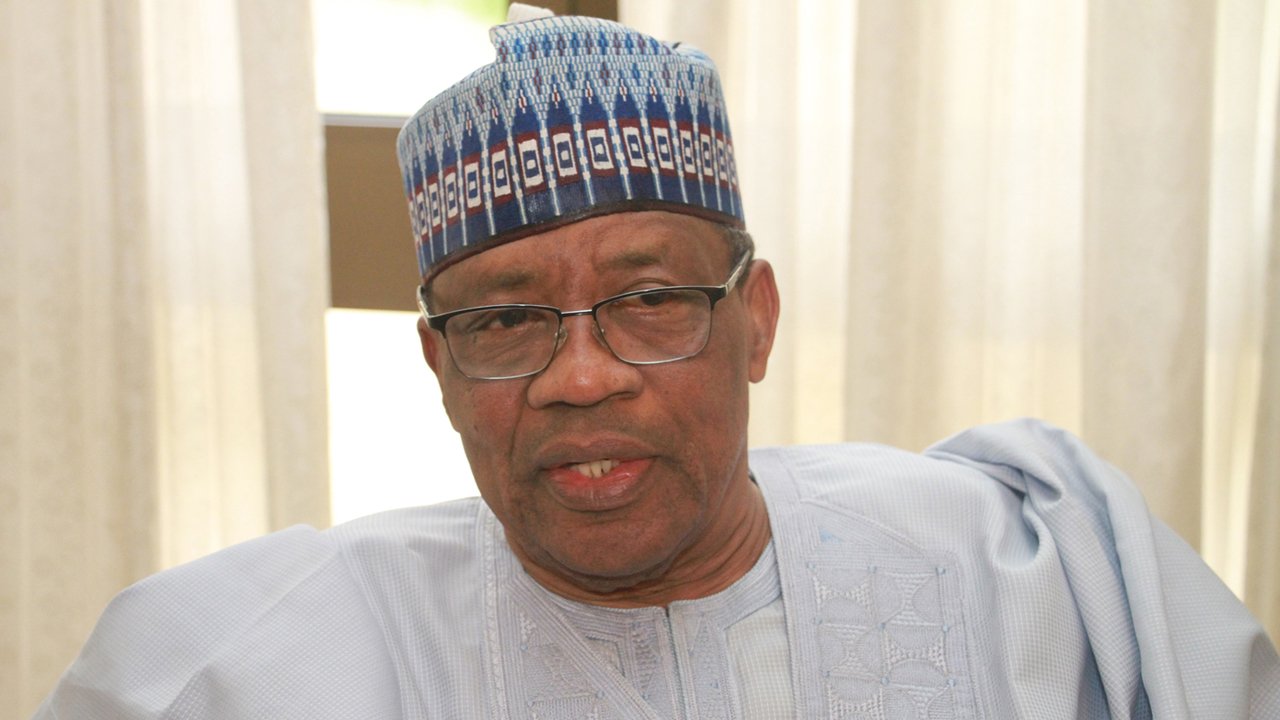
By Simon Reef Musa One of the most discussed military rulers in Nigeria’s history, he rose to the nation’s pinnacle of power nearly 41 years ago, after dethroning the then Head of State, Major General Muhammadu Buhari, in a bloodless coup. The austere-looking Daura-born General failed to stave off further descent into despair and hopelessness; the military felt it had to intervene to end the 20-month regime, fraught with uncertainty. Given the public outcry, it became clear that the clouds were gathering for yet another coup aimed at salvaging what had remained of the country after the squandermania attitude of the sacked Second Republic politicians. Despite a 1952 prediction by a seer, as disclosed by General Abdulsalami Abubakar, that young Babangida would become president, it took 32 years for the prophecy to be fulfilled. Unlike Shakespeare’s Macbeth, IBB, as he is popularly called, avoided violence and walked into power without bloodshed. He combined compassion and a love of humanity, which made him popular among officers and soldiers. He was born a leader, and his days in primary school demonstrated qualities that portrayed him as an altruistic leader with a charming character. If he proved himself an unquestionable leader during his primary education in Minna, his time at the Provincial Secondary School, Bida, now renamed Government College, Bida, further shaped his character. Never a predictable student, young Ibrahim blended traits of rebellion and loyalty, with the latter earning commendation from the school authorities. He led junior students to revolt against the illegal law that forbade them from leaving the dormitories to escape the night heat. Although he never earned grades of distinction, he was a very good student of English. That could explain his strong articulation as a conversationalist, a fascinating character that made him popular among his schoolmates. Ibrahim, the Mallam’s grandson, would eventually be appointed college head boy in recognition of his leadership qualities. Highlights of his time in Bida included the compromises he saw as necessary to navigate the challenges of serving as head boy. In Bida, the future president learned to harmonise differing opinions to build consensus. Sharpening his negotiation skills, young Ibrahim would walk the tightrope of leadership to survive the challenges. Three years after his military training in Kaduna, he was sent abroad for further training, where he excelled. On his return to Nigeria, the January 1966 coup and the military-led insurrection that followed led to the Nigerian Civil War. Like his colleagues, Babangida had no choice but to join them in fighting for the country’s unity. He remembered how he dared the odds to save his friend and colleague, then Captain Garba Duba, amid enemy gunfire, which forced his unit to retreat. His love for his comrade-in-arms and the sheer determination proved him to be a consummate soldier who was never afraid to lay down his life for his friend. If disobeying rules is what makes one great, the February 1976 coup led by Col Buka Suka Dimka turned the then-Colonel Babangida into a folklore hero. Unarmed and unruffled, he walked into the Radio House to meet the coup leader. Blessed with unprecedented articulatory prowess, Babangida left safely after Dimka urged him to drop his coup plan and surrender to the military authorities. He would later return to the Radio House under the strict instruction of the Chief of Army Staff, General Theophilus Yakubu Danjuma, to flush out the dissidents. A strategist and humanist par excellence, General Babangida unleashed his altruistic leadership qualities on a nation with great potential but delivered so little to improve citizens’ living conditions. Babangida led an administration for eight years, now described as a profound period of transformational leadership and growth, with his era witnessing the assembling of the nation’s best brains and brawn to lift Africa’s giant from the labyrinth of underdevelopment. Beyond assembling the best intellectuals and technocrats to spearhead Nigeria’s development, his reign epitomised courage and conviction in turning the tables against forces militating against Nigeria. The gap-toothed General from Minna was relentlessly determined to turn around the fortunes of a country many believed had become “God’s creation in the impossibility.” On his watch, Nigeria became a lab for solutions to make the nation work. From the economy to politics; from re-asserting the imperatives of making laws to galvanising the nation for a new democratic dawn, nothing was left untouched. Demonstrating unwavering leadership committed to addressing the ills plaguing the country, the regime inaugurated a 17-member Political Bureau, led by Dr Samuel Joseph Cookey, to undertake a thorough analysis of Nigeria’s problems. Amid popular opposition to the Intern
Don't miss out on breaking stories and in-depth articles.