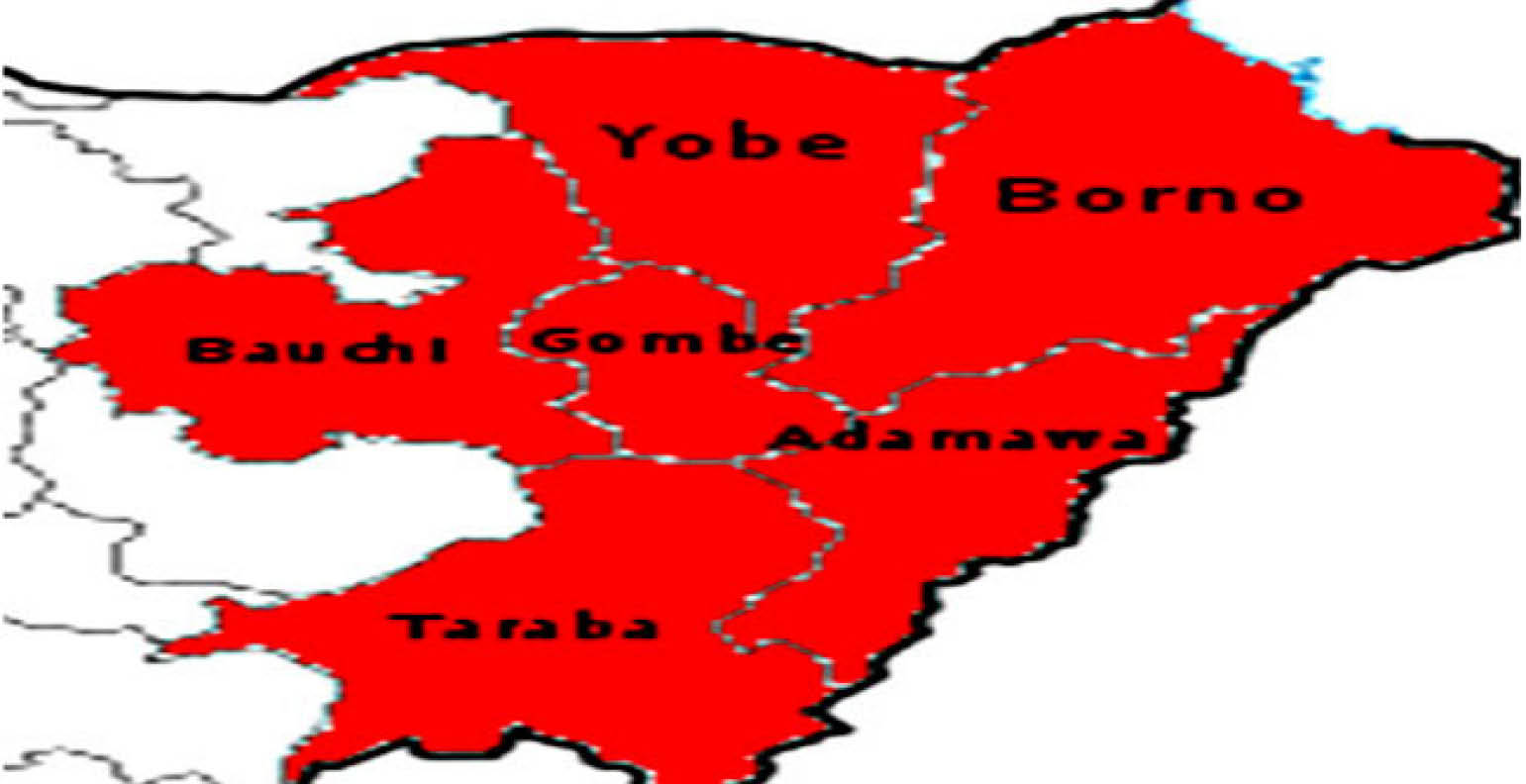
The North-East cannot achieve lasting recovery from more than a decade of insurgency without investing in functional education that equips young people with practical skills to earn a living, rebuild communities and withstand future shocks. The insurgency destroyed schools, displaced millions and disrupted local economies across Borno, Adamawa and Yobe states. But rebuilding physical infrastructure alone will not be enough if the people expected to manage those facilities lack the skills required to sustain them. The North Korean philosophy of human capacity development, known as Juche, places human agency and self-reliance at the centre of development. Its emphasis on developing people to contribute to broader national objectives offers an idea that could be adapted, within Nigeria’s democratic context, to address the North-East’s human capital deficit. While the North Korean model links education to state ideology, its emphasis on self-reliance is relevant to a region where prolonged dependence on government and humanitarian assistance remains a challenge. Beyond conventional schooling, communities need skills in agriculture, small businesses, renewable energy, water management, healthcare, digital technology and conflict mediation. With thousands of internally displaced persons returning to their communities, functional education could help accelerate both livelihood recovery and reconstruction. A generation without relevant skills risks deepening poverty, unemployment and vulnerability to extremism. It could also encourage the migration of the region’s most educated young people to Abuja, Lagos and other locations in search of opportunities. ### Two million children out of school Fourteen years after the insurgency began, the education system in the North-East remains under severe strain. According to UNICEF, about two million children in Borno, Adamawa and Yobe are currently out of school. The 2025 Joint Education Needs Assessment also estimated the number at about two million across the region. The situation is worse among displaced children, with 56 per cent reportedly out of school. UNICEF also reported in May 2025 that 72 per cent of primary school leavers in the three states could not read simple texts, while only 58 per cent transitioned to secondary school. Only 29 per cent of schools reportedly have teachers who meet minimum qualification standards. These figures suggest that the challenge goes beyond rebuilding classrooms. The quality of teaching, relevance of the curriculum and ability of schools to provide practical skills must also be addressed. Government and development partners have already begun initiatives around technical and vocational education and training (TVET), the integration of Tsangaya schools and accelerated learning for out-of-school children. However, challenges remain, including damaged infrastructure, teacher shortages, barriers to girls’ education and curricula that do not always correspond with local and international employment opportunities. Linking education to livelihoods For functional education to become central to recovery, schools should be linked to practical areas such as agriculture, ICT and technical skills. Community institutions, including markets and religious centres, could also complement formal learning by providing spaces for skills acquisition. Peace and civic education should equally form part of the curriculum to address some of the factors that contribute to conflict. Partnerships with businesses could help connect graduates to employment and entrepreneurship opportunities. Investment in human capital is ultimately an investment in productivity. A healthier and better-educated population is better positioned to innovate, earn higher incomes and contribute to economic growth. The North-East already faces high levels of poverty, displacement and limited access to skills. Without deliberate investment in functional education, the region risks reproducing the conditions that make recovery difficult. The recent payment of N565.7 million by the Borno State Government for 28,789 students demonstrates efforts to support education. But such investments must also translate into improved learning outcomes and practical opportunities for young people. The North-East has endured more than a decade of insurgency that destroyed schools, displaced teachers and disrupted learning. Its recovery therefore requires rebuilding not only infrastructure but also the human capacity needed to sustain development. Children denied quality education, healthcare and basic services are not merely victims of a social problem. Persistent exclusion can deepen poverty, insecurity and social instability. The children are not the problem. The problem is the failure of systems to provide them with the education, skills and opportunities they need. No society can simply buy development with money. Development is created by people, and
Don't miss out on breaking stories and in-depth articles.