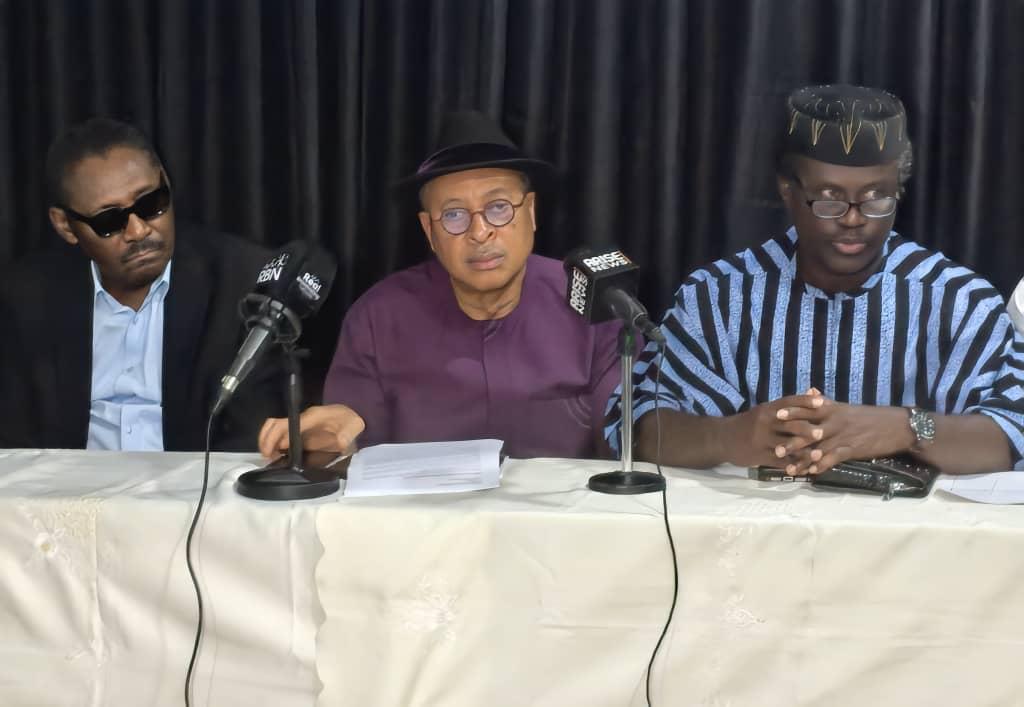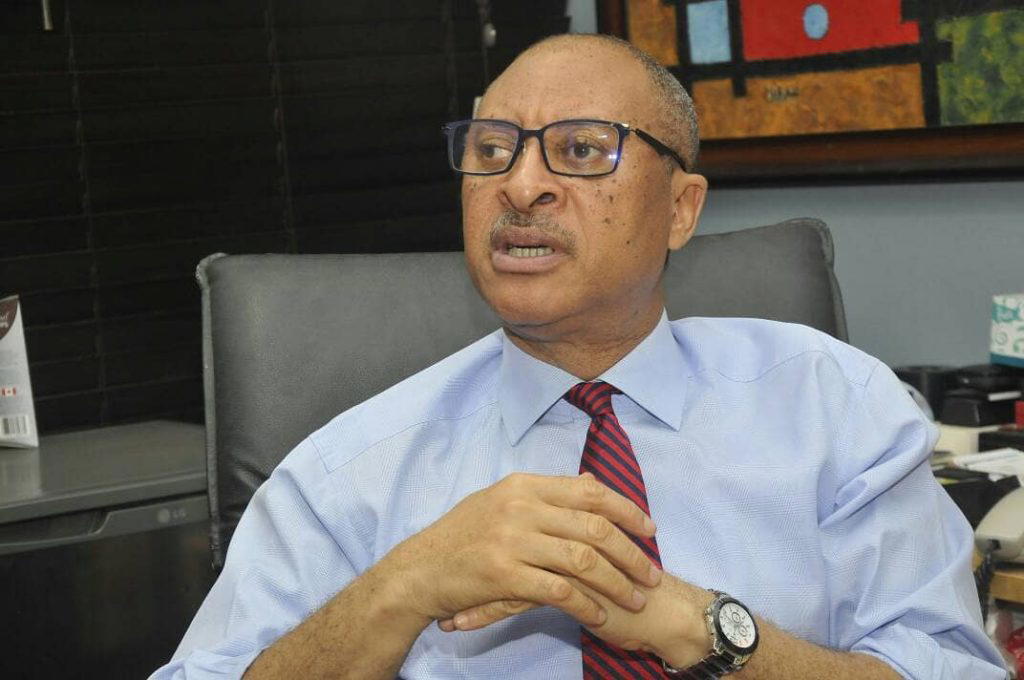
.Urges Nigerians to demand greater accountability from politicians By Olayinka Ajayi Renowned political economist, Professor Pat Utomi, has urged the Independent National Electoral Commission, INEC, to make electoral debates a mandatory feature of Nigeria’s electoral process. Speaking in a monitored interview with Arise News on Thursday, Utomi posited that debates provide voters with critical insight into the competence, preparedness and character of political candidates. He said the tradition of encouraging political candidates to sign peace accords should be sustained because it offers voters an opportunity to assess the attitude of those seeking public office. Utomi said, “I think that the effort must be made to encourage the signing of a peace accord, that tradition continues because it, in many ways, tells the electorate about the attitude of the candidates. And that is very important: the attitude of the candidates. When the candidates take the people for granted, it comes through, beginning from that whole peace accord platform.” On political debates, Utomi said they were “so, so very important,” recalling the 1993 presidential election, when he said the debate between MKO Abiola and Bashir Tofa significantly influenced voters. “I can tell you without any equivocation, in 1993, what made the swing completely towards Abiola away from Tofa was the debate.” He said the debate allowed Nigerians to assess the candidates beyond their campaign messages by observing their demeanour, confidence and ability to connect with the electorate. “Once they got on that national platform and the people could feel them, hear them, and draw from just their body language, what kind of connection they would have with the people, they could easily make up their minds that this was not a people’s person, this was a people’s person, that’s who we’re going to vote for.” Utomi said Nigeria should not only retain electoral debates but increase their frequency, arguing that candidates who are adequately prepared would have little reason to avoid them. “So debates are very important. I would even insist that we have one every month from now till election day because it gives deep insights into the candidates.” According to him, debates can also expose candidates who are poorly prepared or lack sufficient knowledge of the issues affecting the country. “The candidates who are not well prepared, candidates who are not well, will tend to run away from debates.” He recalled participating in efforts to study the American debate system in Washington in the 1990s, saying the experience reinforced his belief in the importance of political debates. “I was part of the group that went to, well, I guess, get coached on the American debate system, including the late Raymond McCarthy, John Mulman, I think a bunch of us were in Washington back in the day, I think the 90s, on that.” “And we met with the CNN anchor of the time and all of those people and they gave very deep insights into the value of debates and I hold on to that. They are so, so very important, these debates.” Utomi also argued that debates could help Nigerians develop a clearer national agenda rather than allowing politicians to focus solely on issues that advance their short-term interests. “How do we define, in fact, for the people, not just the candidates, an agenda for the country?” “Candidates will throw up an agenda that, you know, advances their own short-term interests, but the debate process will enable an agenda to emerge that is what the country looks to.” He said Nigeria’s political class must place the future of young Nigerians at the centre of the national conversation, warning that the country could face serious consequences if the growing youth population was not properly harnessed. “For example, today, the most important thing before Nigeria is the young people of Nigeria whose future is not just at stake in the typical way we talk about it, but is very, very at stake because it’s significantly threatened.” Reflecting on Africa’s political history, Utomi cited Ghana’s independence and the economic thinking of Kwame Nkrumah and economist Arthur Lewis as examples of how political independence could be followed by deliberate economic development. “Look, in the run-up to Ghanaian independence, the Osagyefo himself, Kwame Nkrumah, has said to Africans, look here, first to the political kingdom, and all else will be added.” He said Ghana’s post-independence leadership also placed significant emphasis on economic development. “They became independent in 1957. In 1958, when Arthur Lewis, who became the first black man to win the Nobel Prize in Economics, was working on a, if you will, a formula for industrialisation of the Gold Coast, which is the name of the book that c
Don't miss out on breaking stories and in-depth articles.