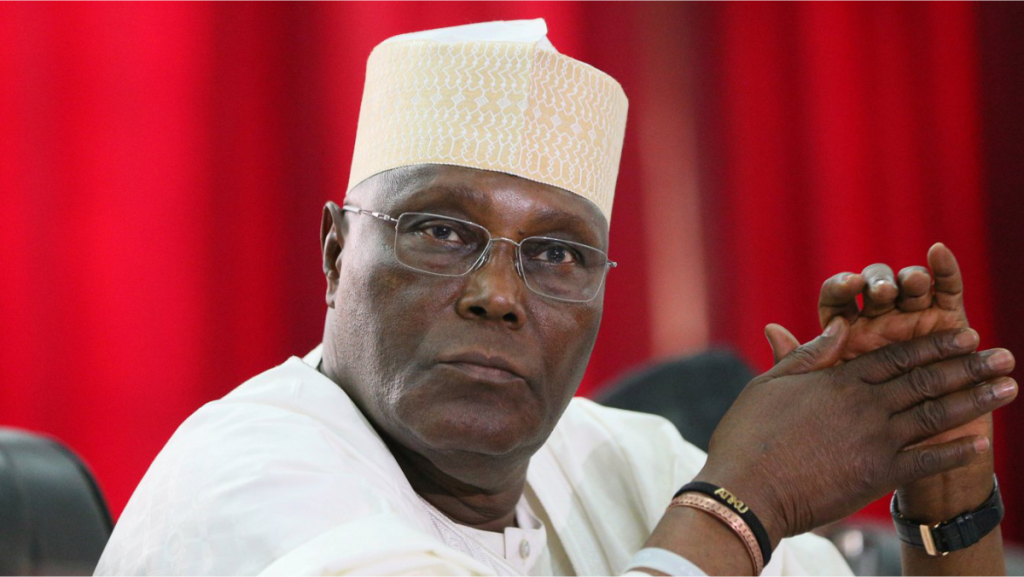
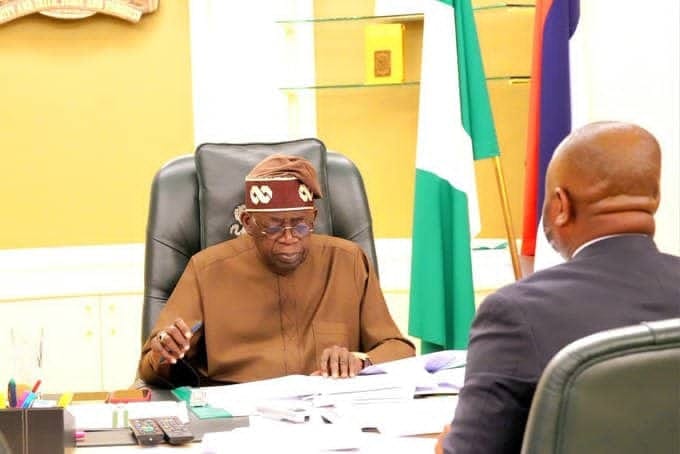
The article discusses the idea of restoring a petrol subsidy in Nigeria, focusing on the views of Seun Awogbenle. He argues against the proposal made by former Vice President Atiku Abubakar to bring back the subsidy, stating that it would harm the economy and revert Nigeria to a difficult situation. Awogbenle explains that when President Bola Tinubu took office in May 2023, Nigeria was facing serious economic issues, including high debts and a struggling economy. The petrol subsidy was a major financial burden, consuming much of the government's income and hindering investment in other important areas. He highlights three main reasons for removing the subsidy: it created financial problems, crowded out investments in other sectors, and removing it allows the government to invest in growth-supporting areas. He emphasizes that Nigeria was borrowing money to pay for the subsidy, which was not sustainable. Awogbenle is critical of Atiku's proposal for a new type of subsidy aimed at local oil refiners, arguing that there isn't enough oil available to support this plan and questioning who would cover the costs. He suggests that instead of reinstating the subsidy, the focus should be on managing the economic fallout from its removal and addressing rising costs of food and transportation for everyday people. In conclusion, he believes that the reforms following the subsidy removal have led to an improved economic situation, and it's essential to maintain this progress for future growth and stability.
Don't miss out on breaking stories and in-depth articles.