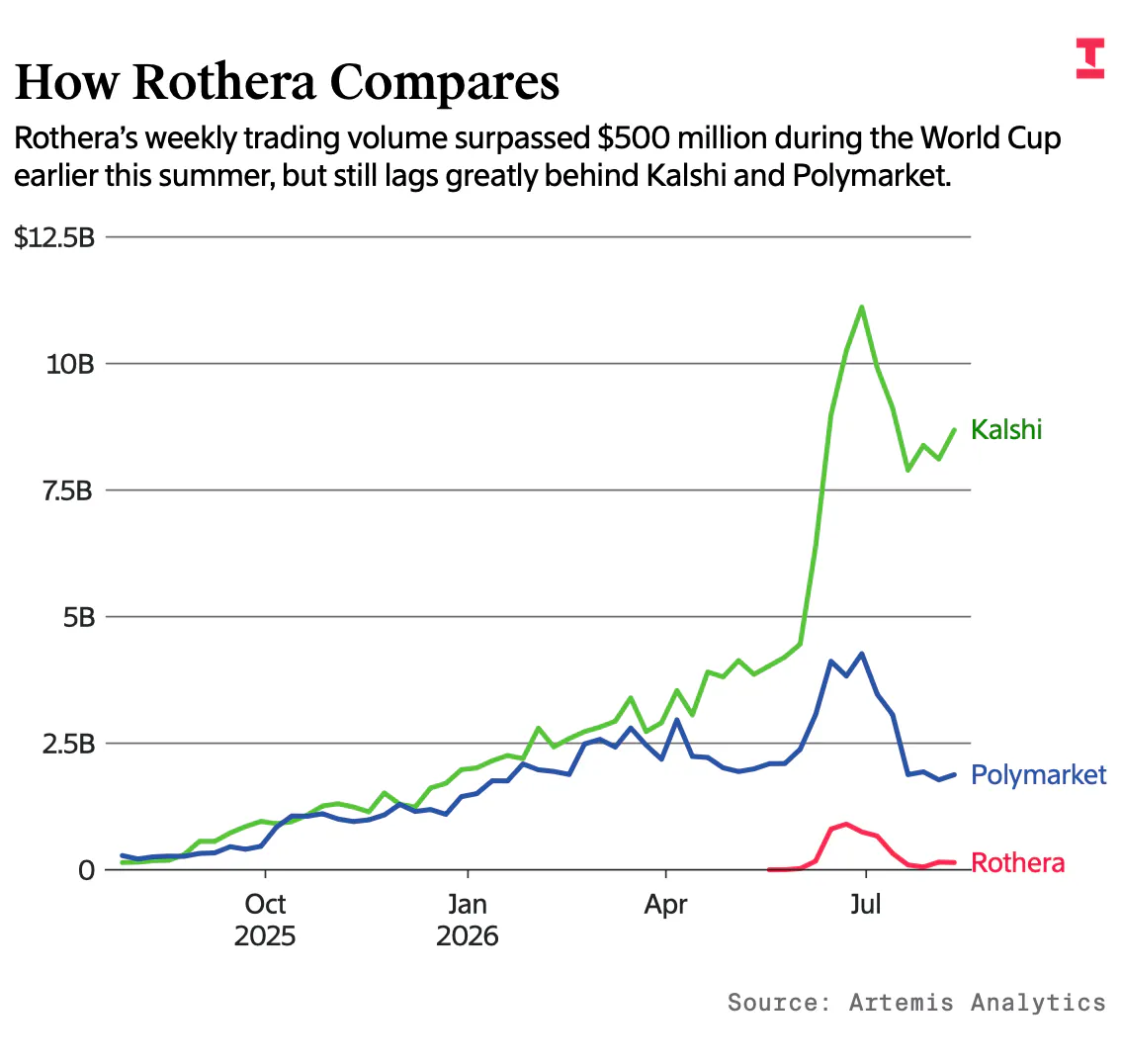
The article discusses how U.S. regulators are closely examining prediction markets like Kalshi and Polymarket, which allow people to bet on various events such as sports and elections. These companies not only run consumer apps but also have their own trading exchanges and sometimes even trading firms that bet on the same events as their customers. Regulators are concerned about potential conflicts of interest, especially after the collapse of the crypto exchange FTX, which had similar issues with its trading operations. In traditional finance, exchanges and trading firms usually operate separately, but this is not always the case in prediction markets. The Commodity Futures Trading Commission (CFTC), which oversees these markets, is proposing new rules to ensure that trading firms affiliated with these exchanges do not have unfair advantages over regular customers. The rules would require exchanges to operate independently from their trading firms and prevent these firms from making speculative bets against customers. Some prediction markets argue that their setups are fair and that their affiliated trading firms help provide the necessary liquidity for trading. However, the CFTC's proposal aims to ensure transparency and fairness for all market participants. The article also mentions that prediction markets are facing scrutiny over whether their sports-related contracts are considered illegal gambling, which adds another layer of complexity to the regulatory landscape they operate in. Overall, regulators are trying to balance innovation in prediction markets with the need for consumer protection and fair trading practices.
Don't miss out on breaking stories and in-depth articles.