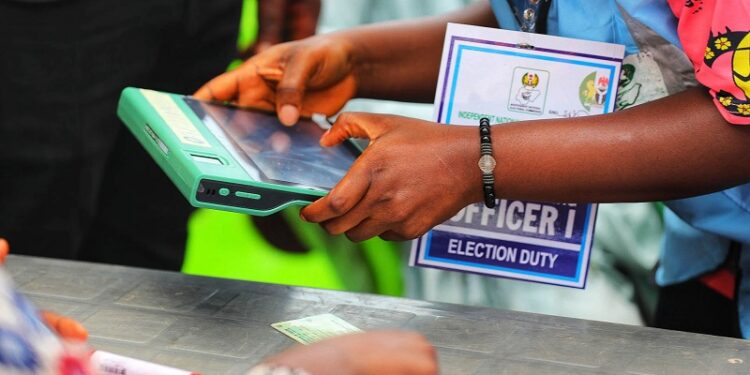
The article discusses the preparations of Nigeria's Independent National Electoral Commission (INEC) for the upcoming 2027 general election. INEC is currently waiting for the full release of its budget, which includes funds to replace damaged voting technology, specifically the Bimodal Voter Accreditation System (BVAS). INEC plans to conduct a mock presidential election to test its voting technology and processes under conditions similar to an actual election day. The chairman of INEC, Prof. Joash Amupitan, emphasized the importance of integrating technology with communication, especially in light of the challenges posed by misinformation and disinformation campaigns driven by artificial intelligence. He pointed out that the credibility of the election depends not only on the technology used but also on how well the public understands and trusts the electoral process. Amupitan noted that the technology used in previous elections faced criticism when it did not perform as expected, which could lead to public doubt. To combat misinformation, INEC is looking to improve its communication strategies, work with media experts, and enhance public understanding of the electoral process. The chairman also highlighted that the electorate in 2027 will be younger and more reliant on smartphones, which will be crucial in how they engage with the election. Overall, INEC is focused on ensuring that the upcoming election is credible and that voters have access to accurate information.
Don't miss out on breaking stories and in-depth articles.