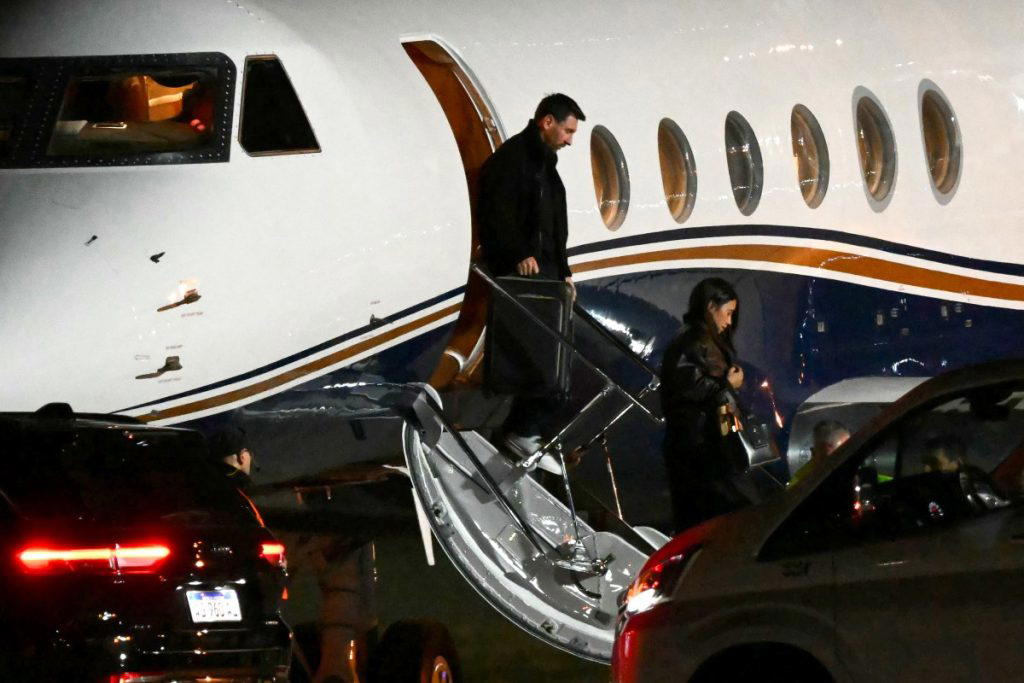
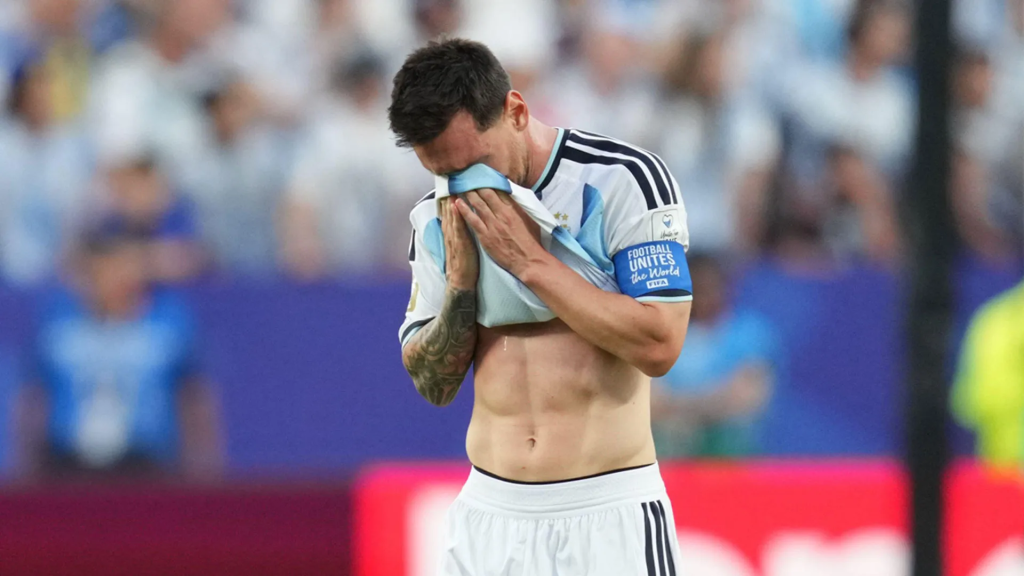
Lionel Messi’s retirement from international football brings a historic chapter of Nigerian football back into the spotlight— an Illustrious album defined by agonising heartbreaks, legendary heroics, and unforgettable battles. For Nigerian fans, Messi was never merely Argentina’s famous Number 10. He was the teenage tormentor in Utrecht, the magician in Beijing, the superstar Vincent Enyeama frustrated in Johannesburg and Ahmed Musa challenged in Brazil. His name became woven into Nigeria’s football memories long before he lifted the World Cup in Qatar. Messi announced his international retirement on Aug. 31, following Argentina’s 1-0 extra-time defeat by Spain in the 2026 World Cup final. The 39-year-old said the decision was painful but that he had given everything to Argentina. “I have nothing left to give,” Messi said in his farewell statement. For Nigerians who watched his extraordinary rise, the announcement felt like the closing of a familiar chapter. It began in 2005, when Messi was still an unknown teenager compared with the global icon he would become. On July 2, 2005, Nigeria’s Flying Eagles faced Argentina in the FIFA U-20 World Championship final in Utrecht, Netherlands. Messi, then 18, scored twice from the penalty spot as Argentina defeated Nigeria 2-1 to win the title. Nigeria equalised through Chinedu Obasi, but Messi converted another penalty to settle the contest. The Argentine finished the tournament with six goals, winning the Golden Ball and Golden Boot. Nigeria’s John Mikel Obi and Taye Taiwo also earned individual recognition, taking the Silver and Bronze balls respectively. For Nigerians, however, the most enduring memory was the emergence of a diminutive Argentine whose talent appeared almost impossible to contain. That teenage Messi would later become one of football’s most decorated players. Three years later, Nigeria met Messi again, this time in the Olympic final in Beijing. Argentina had assembled a formidable squad featuring Messi, Juan Roman Riquelme, Javier Mascherano, Sergio Aguero and Angel Di Maria. Nigeria had reached the final with hopes of Olympic gold, but Argentina again stood in the way. Messi did not score, but his influence proved decisive. In the 58th minute, he released Di Maria with a perfectly weighted pass, and the winger lifted the ball over goalkeeper Ambruse Vanzekin. Argentina won 1-0 to claim Olympic gold, leaving Nigeria with another major-tournament defeat against Messi. For Nigerian supporters, the Argentine was no longer simply a gifted teenager. He was becoming the face of a football generation. Then came South Africa 2010. Nigeria opened its World Cup campaign against Argentina in Johannesburg, with Messi already regarded among the world’s best players. Gabriel Heinze scored the only goal, but the match became remembered largely for one Nigerian player’s extraordinary performance. Enyeama repeatedly denied Messi, producing saves that kept Argentina from turning the game into a rout. Messi himself later praised the Nigerian goalkeeper’s performance. “The goalkeeper was phenomenal,” Messi said after the match. Enyeama was named man of the match despite Nigeria’s defeat. Reflecting on the encounter years later, Enyeama described it as the best match of his Super Eagles career. “Yeah, I can tell you that is one match I will always remember. “I was highly inspired, and although we lost, I was selected the Man of the Match. “We lost 0-1, but Lionel Messi did not score. That was some sort of joy for me,’’ Enyeama said. His performance became one of the defining Nigerian memories of Messi’s early World Cup career. Brazil 2014 produced an entirely different Nigerian memory. Nigeria again met Argentina in the group stage, with Messi now carrying the expectations of a country desperate for World Cup glory. Messi opened the scoring after three minutes, but Ahmed Musa responded almost immediately with a superb curling finish. Messi restored Argentina’s lead before half-time with a brilliant free-kick. Musa answered again shortly after the restart, becoming the first Nigerian to score twice in a World Cup match. Argentina eventually won 3-2 through Marcos Rojo, but Nigeria qualified for the knockout stage. Speaking after the match, Musa captured the pride surrounding his personal duel with Argentina’s superstar. “I feel so happy scoring two goals against a Messi-inspired team. “Above all, I am happier that we have qualified for the second round. “We are going to improve more in the second round. I know that it is not easy, but we are determined to do better,” Musa said. For Nigerian fans, the Porto Alegre encounter remains perhaps the sweetest Messi memory. Nigeria lost, but Musa had matched the Argentine goal for goal. Four years later, Messi and Nigeria met again. This time the stakes were even higher. Argentina needed victory to survive the group, while Nigeria requir
Don't miss out on breaking stories and in-depth articles.