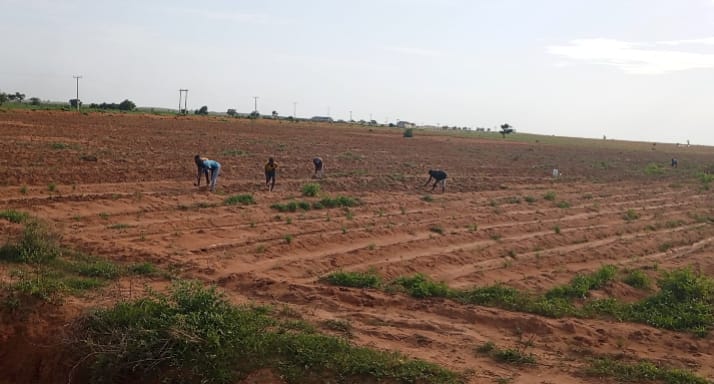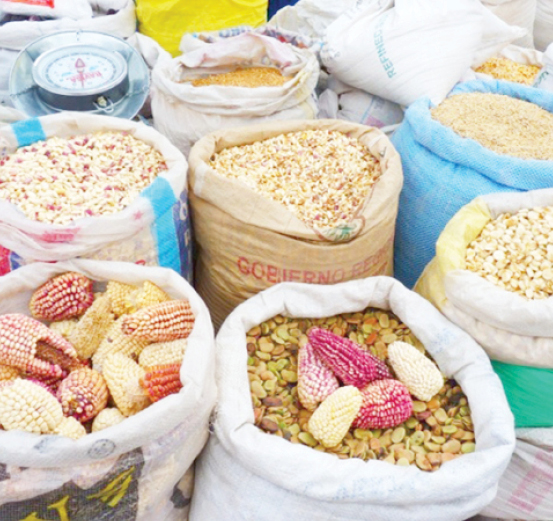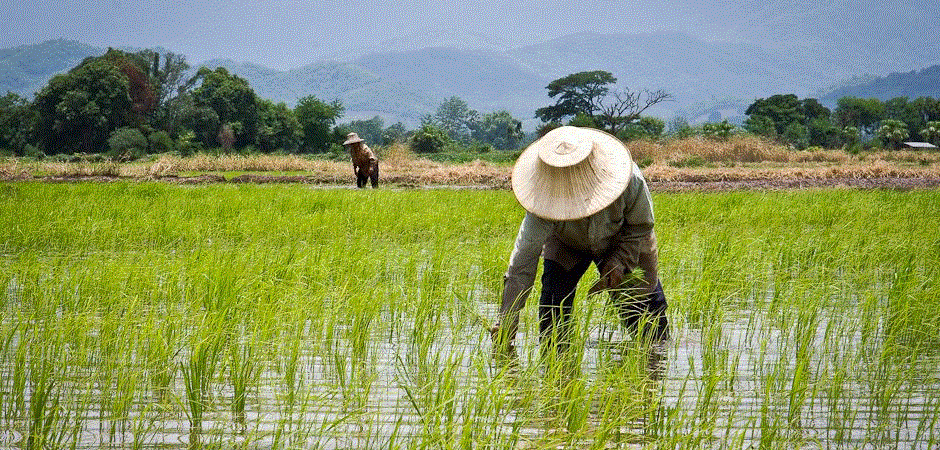
The article discusses a recent symposium where experts emphasized the need to industrialize Nigeria's agricultural sector. They believe that doing so will help the country move away from small-scale farming, known as subsistence farming, and shift towards larger, commercial farming operations. Key points include: Job Creation and Food Security: Industrializing agriculture could create jobs and improve food security by producing more food for local needs and exports. Collaboration Needed: The stakeholders stressed that the government, farmers, and financial institutions must work together to develop a strong agricultural industry. Economic Benefits: Representatives from various organizations highlighted that industrialization could boost Nigeria's economy by increasing the volume and value of food exports, which would help raise the country's Gross Domestic Product (GDP). Technological Support: There is a need for better access to technology and machinery, like tractors, which many individual farmers cannot afford. Grouping farmers together could help them access these resources. Challenges to Overcome: The article mentions several challenges, including government policies, infrastructure, financing, and energy supply, which need to be addressed to support this industrialization. Overall, the stakeholders believe that transforming agriculture in Nigeria is crucial for the country's future and security.
Don't miss out on breaking stories and in-depth articles.