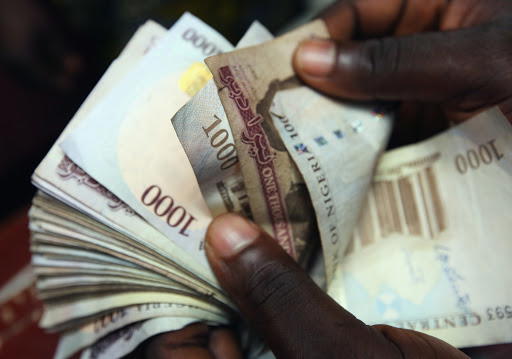
The article discusses a significant increase in Nigeria's money supply, which has more than doubled over three years, reaching N139.4 trillion by August 2026. This is a 110.6% rise from N66.2 trillion in August 2023. The money supply is measured by a term called M3, which indicates how much money is available in the economy. In the last year alone, the money supply grew by 16.4%, adding N19.7 trillion from N119.7 trillion in August 2025. The growth rate was highest between August 2023 and August 2024, when it jumped by nearly 62%. While this increase in money can help boost credit, investment, and economic activity, experts warn that if the money supply grows too quickly compared to the production of goods and services, it could lead to inflation, meaning prices for everyday items could rise. Additionally, another measure of money, called M1, which includes cash and liquid assets, also increased significantly to N43.26 trillion in August 2026, up from N39.4 trillion in the previous year. An unnamed analyst highlighted that it's not just about how much money is added but how that money is used. If it goes into productive sectors like manufacturing and agriculture, it can help the economy grow. However, if too much money is available without a corresponding increase in goods and services, it could put pressure on prices. This means that monitoring how money supply relates to economic growth is crucial.
Don't miss out on breaking stories and in-depth articles.