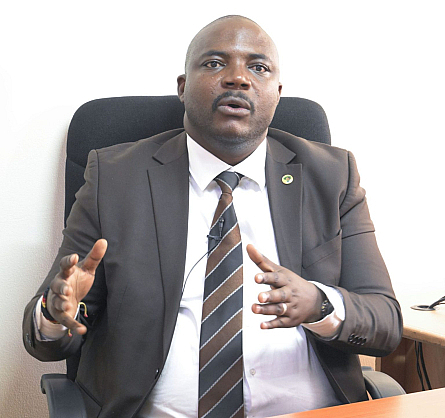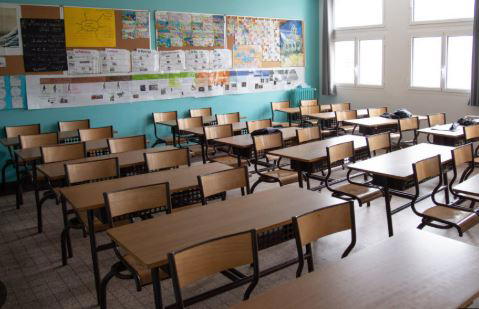
…states it is yet to access N65bn counterpart funding …FG, the World Bank move to tighten budget planning, spending on schools, primary healthcare …NPHCDA revitalises 3,504 PHCs, disburses N77.7bn to 8,309 facilities By Joseph Erunke, Abuja More than N267 billion in released basic education intervention funds remained unspent as of August 2026, while over N65 billion in counterpart funding was yet to be accessed by states, the federal government has disclosed, raising fresh concerns over the management of resources meant to improve learning outcomes across the country. The revelation comes amid an alarming education crisis, with about 70 per cent of Nigerian children of primary school age unable to read and understand a simple text, according to the Universal Basic Education Commission, UBEC. The figures have brought renewed attention to the disconnect between government spending commitments and the delivery of essential services, particularly as Nigeria continues to grapple with poor learning outcomes, inadequate educational infrastructure and gaps in access to quality primary healthcare. Against this backdrop, the federal government, in partnership with the World Bank and other stakeholders, has moved to strengthen state-level budget planning and execution, insisting that public resources must be tied directly to clearly defined priorities and measurable results. The intervention is being pursued under the Human Capital Opportunities for Prosperity and Equity–Governance Programme, HOPE-GOV, through a technical capacity-building workshop on Disbursement-Linked Indicator 2, DLI 2, which focuses on improving state budget planning and execution for basic education and primary healthcare. Speaking at the workshop in Abuja on Monday, the Executive Secretary of UBEC, Dr Aisha Garba, who was represented by the commission’s Coordinator for HOPE-GOV and Director of Teacher Professional Development, Maryam Sani Dangaji, said the huge sums of unutilised funds underscored the need for a fundamental shift in how states planned, budgeted and spent money allocated to basic education. She maintained that increasing allocations alone would not resolve the country’s education challenges unless governments strengthened accountability, improved expenditure efficiency and ensured that available resources translated into better learning outcomes. “Spending more will not achieve this by itself; we must spend better,” she said, stressing that every naira spent on classrooms, instructional materials and teacher training must produce tangible improvements in children’s ability to read, write and count. According to her, the challenge is not merely to provide more funding but to ensure that resources reach the schools and communities where they are most needed. Under the HOPE-GOV framework, states are expected to prepare consolidated education plans, align their budgets with those plans and ensure that approved expenditure is implemented within established performance limits. The approach is designed to strengthen the relationship between government priorities, budgetary allocations and actual service delivery, while encouraging states to deploy scarce public resources more efficiently. Permanent Secretary of the Federal Ministry of Budget and Economic Planning, Dr Deborah Odoh, said the quality of government spending depended largely on the strength of the systems through which public resources were planned, allocated and utilised. She said budgeting must not be treated as an isolated administrative exercise but as the financial expression of government priorities and development plans. Odoh, who declared the workshop open, said the preparation of the 2027 fiscal-year budgets offered states an opportunity to address weaknesses in their planning and expenditure processes. According to her, state development plans, sector policies, annual operational plans and consolidated workplans must be properly linked to annual budgets to ensure that allocations reflect identified needs and realistic implementation costs. For primary healthcare, she said, annual operational plans should provide the basis for identifying and prioritising expenditure, while the annual consolidated work plans for basic education should establish a clear connection between sector priorities and budget allocations. She explained that the workshop was designed as a practical exercise in which participating states would review their actual plans, workplans, budgets and resource information rather than merely receive theoretical presentations. The sessions would examine how sector priorities were costed and reflected in budgets, how expenditure was classified under the National Chart of Accounts, and how proposed activities could be reconciled with available resources and budget ceilings. Odoh emphasised that the objec
Don't miss out on breaking stories and in-depth articles.