
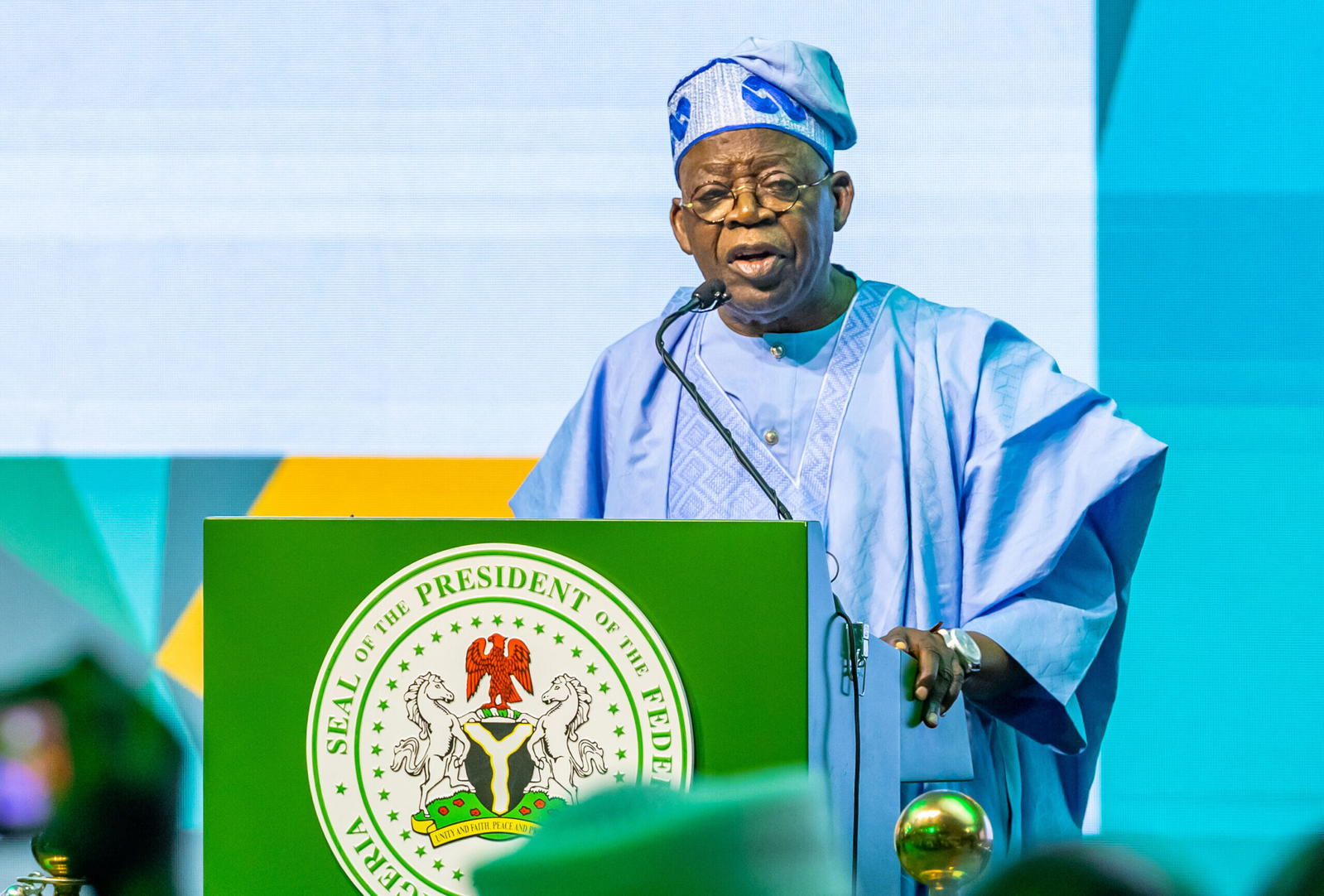
*Energy, transport account for $61.4bn; 17 mega-projects require $72.3bn*Foreign investors to enjoy 100% foreign ownership, tax incentives*FG promises clearer business rules, new incentives to attract investment*Nigeria’s next reforms to focus on food, power, jobs, business efficiency — Oyedele*Naira stability, rising reserves strengthen economy against shocks — Cardoso*Dangote Group credits reforms for $17bn refinery investment By Babajide Komolafe, Economy Editor Bangkok, Thailand: The Federal Government has unveiled 65 investment projects requiring a total of $78.5 billion in capital, as it intensifies efforts to attract foreign investors into Nigeria’s energy, transport, agriculture, manufacturing and other critical sectors of the economy.The government, which presented the investment opportunities to foreign investors at an Investors Forum organised by the Nigerian delegation to the ongoing International Monetary Fund (IMF)/World Bank Annual Meetings in Bangkok, Thailand, said it was developing an investment Deal Room to provide prospective investors with detailed information on projects seeking funding and facilitate investment decisions.Speaking on the initiative, Idris Bellow Osagie, Special Adviser on Economic Strategy to the Minister of Finance and Coordinating Minister of the Economy, is designed to bridge the information gap between project sponsors seeking capital and investors looking for viable opportunities in Nigeria.Osagie urged foreign investors to look beyond concerns about the Nigerian economy and take advantage of the investment opportunities being assembled by the government, insisting that the country was open for business.He explained that the government had consulted federal and state governments, government agencies and private-sector participants to identify transactions requiring financing and assemble the relevant information in a centralised investment platform.According to him, the Deal Room would provide prospective investors with information about projects, including their sponsors, capital requirements, minimum investment thresholds and other financial details needed to assess the opportunities.The objective, he said, was to make it easier for investors to identify projects that matched their investment capacity and interests, obtain further information and engage directly with the relevant project sponsors and government officials.Osagie acknowledged that investors might question some of the economic data and conditions in Nigeria. However, he urged them to assess the investment opportunities available alongside the challenges.He said the government was working to make information on the projects accessible and facilitate meetings between prospective investors and relevant officials.Describing the initiative as part of the government’s efforts to improve investment mobilisation, Osagie urged foreign investors to take a closer look at Nigeria.He said the information on the projects would be updated, while investors could arrange meetings with relevant officials to obtain additional details.The government, he added, was seeking to make it easier for investors to move from identifying opportunities to assessing specific transactions and engaging with project sponsors.Energy, transport dominate $78.5bn pipelineDetails of the investment pipeline presented at the forum showed that oil, gas and power projects account for the largest share of the capital requirement, with 25 projects requiring $36.4 billion.Transport and maritime follow with eight projects requiring $25 billion, while agriculture and agro-processing account for six projects requiring $9.8 billion.Industry, manufacturing and mining have 17 projects requiring $6.6 billion, while technology, health and urban services account for nine projects with a combined capital requirement of $700 million.The figures indicate that energy and transport alone account for $61.4 billion, or about 78 per cent of the total investment requirement.The presentation also showed that the 65 projects offer opportunities across different investment sizes, ranging from $1 million to $15 billion.Of the total, 29 projects require less than $100 million each, while 18 require between $100 million and $499 million. One project requires between $500 million and $999 million, while 17 projects require at least $1 billion each.The 17 mega-projects account for $72.3 billion of the overall capital requirement, underscoring the concentration of financing needs among a relatively small number of large transactions.The median capital requirement per project is $153 million, while 48 of the 65 projects require less than $500 million each.The pipeline therefore offers opportunities for investors with different financing capacities, from those interested in relatively small transactions to institutional investors and strategic partners capable of participating in large-scale infrastructure and industrial projects.FG outlines next phase of ref
Don't miss out on breaking stories and in-depth articles.


